No waiting, Affordable and Trusted
£245
Average rating: 4.88 / 5 Read all reviews
At MUMS, teenagers and their families have access to:
| Acne Paediatric New Consultation | £245 | |
| Acne Paediatric Follow-Up Consultation | £150 |
Acne is extremely common during the teenage years, but that doesn't mean your child simply has to put up with it.
For some young people, acne can become painful, persistent, or difficult to control. It can cause scarring and may also affect confidence, self-esteem, and emotional wellbeing.
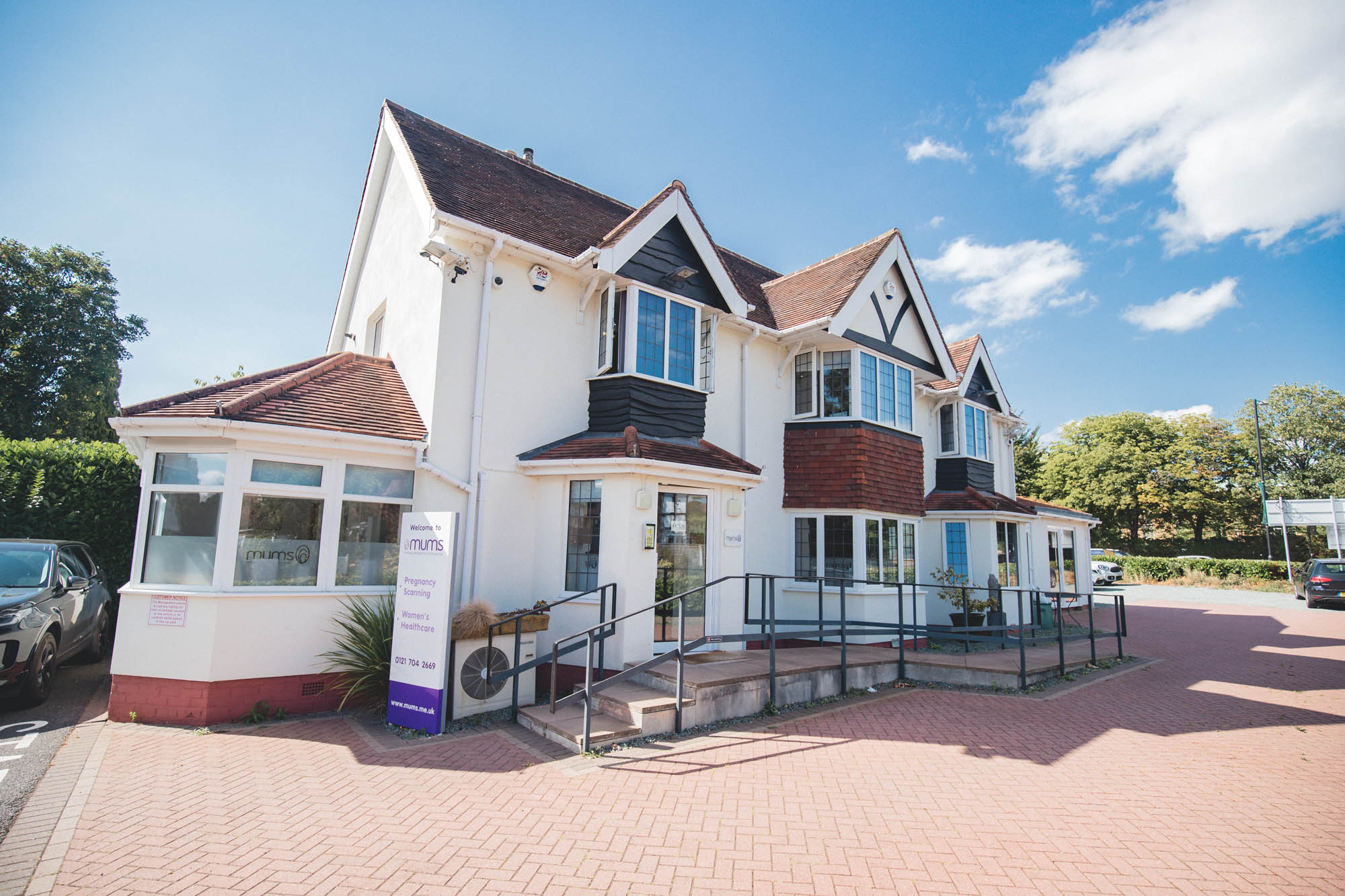
At MUMS Solihull, our experienced dermatology team provides private acne assessment and treatment for teenagers and young people, with individual treatment plans based on their skin, symptoms, and age.
Our team includes:
Dr Huda Al-Kutubi – Consultant Dermatologist
Dr Vijay Iyer – Consultant Paediatrician with a special interest in Dermatology
Dr Vandna Sharma – Dermatology GP
Dr Sanah Bholah – Dermatology GP
No GP referral is required.
Teenage acne can range from occasional spots and blackheads to more persistent inflammatory or severe acne.
It may be worth seeking specialist advice if:
Seeking appropriate treatment can help control active acne and may reduce the risk of permanent scarring.
Every teenager's skin is different, which is why acne treatment needs to be individualised.
During the consultation, your clinician will take time to understand:
The clinician will examine the skin and discuss the most appropriate treatment options with the young person and, where appropriate, their parent or carer.
We want young people to feel comfortable, listened to and involved in decisions about their treatment.
Treatment will depend on the type and severity of the acne, previous treatments, medical history, and the young person's individual circumstances.
Options may include:
Prescription Creams & Gels
Topical treatments, including retinoids and other prescription acne preparations, may be recommended to help control spots, blocked pores, and inflammation.
Oral Antibiotics
For some types of moderate or inflammatory acne, oral antibiotics may be considered alongside appropriate topical treatment.
Hormonal Treatment
For some female patients, hormonal treatment may be an option where clinically appropriate.
The clinician will discuss the potential benefits, risks, and suitability of any treatment before prescribing.
For severe, persistent, or treatment-resistant acne, isotretinoin may be considered where clinically appropriate.
Isotretinoin is a specialist prescription medicine used to treat severe acne and requires careful assessment, counselling, and ongoing monitoring.
Isotretinoin is not prescribed at the first appointment.
If the clinician believes isotretinoin may be appropriate, they will explain:
Young people and their parent/carer will have the opportunity to ask questions before deciding whether to proceed.
Blood tests required for treatment monitoring can be arranged at MUMS or, where appropriate, through your GP.
You may also find the British Association of Dermatologists' Isotretinoin Patient Information Video helpful.
Initial consultation – £245
Initial consultation – £175
Where an isotretinoin treatment pathway is required:
Baseline blood tests – £150
Includes FBC, U&Es, LFTs and Lipids
Medication Starting Appointment – £150
Consultant Follow-Up – £150
Additional tests, investigations, procedures, or medication costs will be explained before proceeding.
Repeat prescription outside an appointment – £20
Acne isn't always “just a few spots”.
For some teenagers, persistent or severe acne can have a considerable impact on confidence, friendships, school, social activities, and emotional wellbeing.
Young people can also become worried about other people noticing their skin or about developing permanent scars.
These concerns are valid and are something our clinicians take seriously.
Our aim is to help control the acne, minimise the risk of scarring where possible and give your teenager a clear treatment plan they understand and feel comfortable with.
Using lots of different products or aggressively cleaning acne-prone skin can sometimes make irritation worse.
We generally recommend:
Improvement isn't usually immediate. Some acne treatments take several weeks before a noticeable difference is seen.
Your clinician will explain what to expect from treatment and when your teenager's skin should be reviewed.
Most young people with acne will not need extensive investigations.
Where clinically indicated, however, your clinician can arrange appropriate tests at MUMS.
For young people starting certain medications, this may include blood tests and ongoing monitoring.
Any additional investigations will be explained beforehand, including why they are recommended and any additional costs.
If your teenager's acne is persistent, painful, causing scarring or affecting their confidence, specialist advice may help.
You do not need to wait until acne becomes severe before seeking professional advice.
Consultant appointments from £245
Dermatology GP appointments from £175
MUMS – Midlands Ultrasound & Medical Services
1 Park Avenue
Solihull
B91 3EJ
Call 0121 704 2669, book online or send us an enquiry.
No GP referral required • Free on-site parking
Copyright © 2026 Midlands Ultrasound and Medical Services | Company number: 04844920